
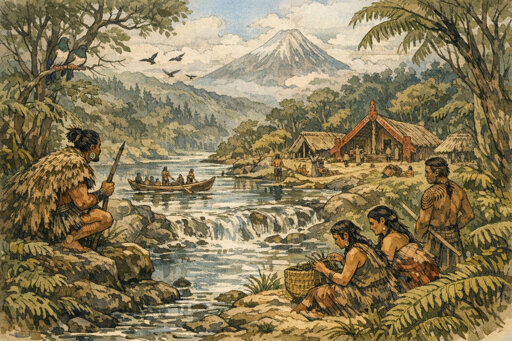
New research led by the University of Otago—Ōtākou Whakaihu Waka, in close partnership with mana whenua, is shedding new light on Māori diet and burial practices in Aotearoa New Zealand prior to European colonization. The study, conducted with the approval and guidance of Waikato hapū and iwi—Ngāti Maahanga, Ngāti Wairere, Ngāti Koroki Kahukura and Ngāti Hauā—provides the first direct scientific evidence that some Māori ate predominantly plant-based diets before Pākehā (European) arrival.
It is one of only a small number of studies in Aotearoa to use scientific analysis of kōiwi tangata (human remains) to investigate diet, childhood life histories and chromosomal sex.
The kōiwi tangata were accidentally discovered during archaeological investigations associated with the Hamilton Section of the Waikato Expressway, undertaken on behalf of NZ Transport Agency Waka Kotahi.
The findings have been published in Nature Communications.