

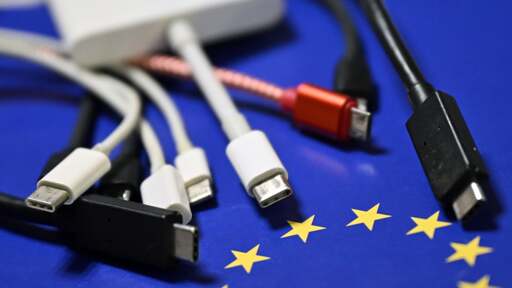
EU rules on common chargers apply to laptops from today. It means that all new laptops sold in the European Union must now support USB-C charging.
In December 2024, the rules came into force for mobile phones, tablets, digital cameras, headphones, videogame consoles, and portable speakers.
Laptop manufacturers were given a longer lead in time to allow for redesign and transition to the common charging system.
How is dieselgate the fault of the EU? The main offender was Volkswagen. Chat Control and Qatargate are the result of lobbying and corruption, and while the EU is not immune to this kind of influences (being a government body made by people), the aggregate result of EU bureaucracy is much better then any other power block currently active in the world in my opinion.
While this is totally true, you cannot fault the EU for not acting on the in-house science team info given the EU commission had no authority on policing car manufacturers. At the time that was the duty of national authorities. Now the EU commission has granted itself the power to conduct vehicle audits and fine those responsible. Positives changes over embarrassing scandals are a positive outcome to me, and not the norm in modern politics.
@encelado748
You could argue that the EU did not prevent Dieselgate. The fines are symbolic, the same will happen again.
@myrmidex
The EU did not prevent Dieselgate because the EU was lacking the regulatory framework to do so. And after Dieselgate, lots of new laws were put into place to address a market wide breach of consumer law (the representative actions directive and the omnibus directive). That is exactly what a good governing body should do: act within the boundaries of the law, and improve the law when something bad happens. I very much doubt it will happen again. We are talking billions in fines before there was an actual framework in place to address this. Today the result could be in the tens of billions.